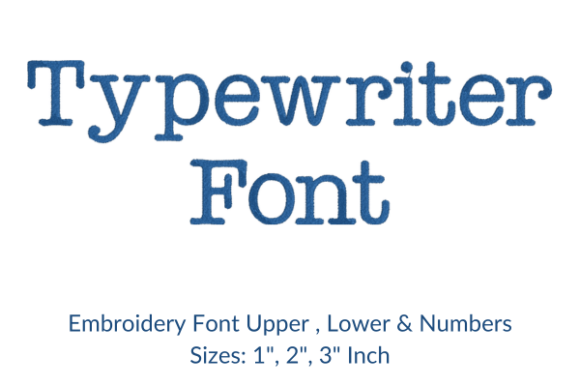
Typewriter Font Embroidery Design: A Vintage Touch for Modern Stitching
In the world of machine embroidery, the choice of font often dictates the emotional tone of a project. While cursive scripts convey elegance and bold block letters shout authority, there is a unique charm to the mechanical precision of the past. The Typewriter Font Embroidery Design captures this specific aesthetic, bringing the nostalgic feel of mid-century correspondence into the realm of textile art. This high-quality embroidery font is not merely a collection of stitches; it is a tool that allows creators to personalize designs with a sense of history and authenticity.
Whether you are an experienced seamstress looking to add a retro flair to your portfolio or a hobbyist wanting to customize a simple t-shirt, understanding how to leverage this design can elevate your work significantly. Let us explore what makes this font special, how to use it effectively, and where it fits best in your creative workflow.
The Nostalgic Appeal of Mechanical Typography
The allure of the typewriter style lies in its imperfection. Unlike digital fonts that render with pixel-perfect uniformity, real typewriters often produced characters with slight variations in ink density and alignment. The Typewriter Font Embroidery Design mimics this texture through stitch placement and density, creating a visual rhythm that feels handcrafted yet structured. When you use this embroidery font to write names, dates, or quotes on any fabric you wish, you are instantly transporting the viewer to an era of tangible communication.
This aesthetic is particularly powerful for projects that require a touch of storytelling. Imagine a wedding guest book cover where the couple's names are stitched in this vintage style, or a baby blanket featuring the date of birth as if it were typed on an old ledger. The font bridges the gap between modern convenience and traditional craftsmanship, making it a versatile asset for various applications.
Understanding the Technical Specifications
Before diving into creative applications, it is crucial to understand the technical parameters of the file. As with any professional embroidery digitizing, consistency is key. Please note the sizes and stitches information shown below is for A and a in each size. This is provided as a summary of what is available in this download file. For the full dimension details of the 174 letters in this set, click on the More Sewing Info PDF button on this page.
This distinction is vital because capital letters and lowercase letters often occupy different amounts of hoop space and require varying numbers of stitches. By checking the specific dimensions for "A" and "a," you can estimate the total stitch count for your phrase more accurately. This helps in determining thread consumption and estimating the time required to complete the run on your machine.
- Stitch Count: Knowing the count for base characters helps prevent running out of thread mid-project.
- Hoop Size Compatibility: Understanding the width of capital versus lowercase letters ensures your text fits within your machine's frame.
- Density: The typewriter style often relies on satin stitches or fill patterns that mimic ink; knowing the density helps in stabilizer selection.
Versatility Across Fabric Types
One of the primary strengths of the Typewriter Font Embroidery Design is its adaptability. Because the letterforms are generally geometric and distinct, they translate well across a wide variety of materials. However, the success of the final product depends heavily on matching the fabric weight with the appropriate stabilizer.
On heavy fabrics like denim jackets or canvas tote bags, the bold nature of the font stands out beautifully. The contrast between the rough texture of the material and the precise lines of the embroidery creates a striking visual effect. Conversely, on delicate fabrics such as linen napkins or silk scarves, the font adds a sophisticated, understated elegance. In these cases, using a lighter weight thread and a fine needle is essential to prevent puckering while maintaining the crisp edges characteristic of the typewriter look.
You can use this embroidery font to write names, dates, or quotes on any fabric you wish, but always remember to test your settings on a scrap piece first. The tension required for a thick wool sweater will differ vastly from that needed for a cotton shirt. Adjusting your machine settings ensures that the "ink-like" quality of the stitches remains intact without distorting the underlying fabric.
Practical Applications for Creators and Businesses
For small business owners and online sellers, the ability to offer personalized items is a significant competitive advantage. The Typewriter Font Embroidery Design opens up several revenue streams and product ideas that resonate with current market trends favoring vintage and custom goods.
Ideas for Personalization
- Custom Apparel: Create monogrammed aprons for chefs, personalized hats for coffee shops, or name tags for school uniforms. The font gives these items a professional yet approachable look.
- Home Decor: Embroider family recipes onto kitchen towels or create wall hangings with inspirational quotes. The typewriter style suggests that the message is important and permanent.
- Event Memorabilia: Use the font for wedding favors, bridal party gifts, or corporate event swag. Dates and initials look particularly charming in this style.
Professionals who specialize in restoration or upcycling also find great value here. Adding a small, typed label to a vintage garment can enhance its story without overpowering the original design. It acts as a signature, marking the item as curated and cared for.
Evaluating Suitability and Limitations
While the Typewriter Font Embroidery Design is highly effective, it is not a one-size-fits-all solution. There are considerations to keep in mind when evaluating its suitability for different needs or projects.
First, consider the readability of long texts. While short phrases and names look excellent, very long paragraphs may become difficult to read due to the condensed nature of the font. It is best used for headlines, signatures, or brief statements. If you need to embroider a large amount of text, you might need to adjust the spacing or choose a different font for body copy.
Second, the complexity of the design means that it requires a stable surface. On stretchy knits, the straight lines of the typewriter font can distort if the fabric isn't properly stabilized. Using a cutaway stabilizer is often recommended for knit fabrics to ensure the letters remain upright and legible after washing.
Finally, be aware of the color limitations inherent in the style. The typewriter aesthetic traditionally relies on high-contrast black-on-white. While you can certainly use colored threads, the "vintage" impact is strongest when using dark threads on light backgrounds or vice versa. Experimenting with multi-color fills might detract from the authentic mechanical look.
Getting Started with Your Machine
To begin using this design, ensure your software supports the included formats. This machine embroidery design comes with multiple embroidery file formats and can be used with multiple embroidery machines. Whether you own a Brother, Janome, Bernina, or Singer, having the correct file extension is the first step toward a successful project.
Once imported, take the time to resize the text according to your specific needs. Remember that resizing affects stitch density. If you enlarge the font too much, you may encounter gaps in the stitching. If you shrink it too small, the stitches may bunch up, losing the definition of the letterforms. Refer back to the summary data regarding "A" and "a" to maintain proportional integrity.
The beauty of the Typewriter Font Embroidery Design lies in its ability to transform ordinary objects into meaningful keepsakes. By understanding its characteristics, respecting its technical requirements, and applying it creatively, you can produce work that stands the test of time. Whether for personal joy or commercial gain, this font offers a timeless way to express yourself through the universal language of thread and fabric.