Real Estate Hero Header: A Strategic Asset for Modern Web Design
In the competitive landscape of digital real estate, the first impression is often the only opportunity to capture a visitor's attention. The Real Estate Hero Header serves as the critical entry point for property websites, agency portfolios, and investment platforms. It is not merely a decorative banner; it is a functional component designed to communicate value, establish credibility, and guide user behavior immediately upon arrival. For professionals ranging from freelance designers to small business owners managing their own listings, integrating a high-quality header into your workflow can significantly streamline the development process while ensuring a polished, professional outcome.
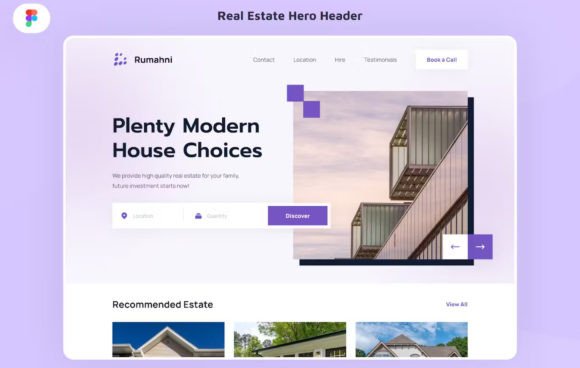
The specific asset known as the Real Estate Hero Header combines a modern and trendy design aesthetic with well-organized layers, making it an ideal starting point for various web projects. By leveraging free fonts and providing comprehensive documentation, this resource removes common barriers to entry, allowing creators to focus on customization rather than foundational layout struggles. Understanding how to deploy this tool effectively requires looking beyond its visual appeal and examining its role within the broader context of project planning, execution, and long-term maintenance.
Understanding the Role of the Hero Section in Property Marketing
Before diving into the technical implementation, it is essential to grasp why the hero section holds such weight in real estate marketing. In a typical user journey, a potential client lands on a homepage or a landing page with a specific intent: to find a home, sell a property, or learn about market trends. The Real Estate Hero Header acts as the primary interface for this interaction. It must instantly convey the brand identity and offer a clear call to action, whether that is searching for listings, contacting an agent, or viewing featured properties.
A poorly executed header can lead to high bounce rates, where users leave the site before engaging with any content. Conversely, a well-designed header sets the tone for the entire experience. The Real Estate Hero Header template addresses this by offering a pre-validated structure that aligns with current design trends. This means that when you begin your project, you are not guessing what works; you are building upon a foundation that has been optimized for engagement. This alignment with industry standards reduces the cognitive load on the designer, allowing for more time to be spent on unique branding elements and content strategy.
Integrating the Figma Source File into Your Workflow
The core utility of this asset lies in its delivery format: a fully editable Figma source file. For designers and developers, Figma has become the industry standard for collaborative interface design. Integrating the Real Estate Hero Header into your existing Figma workspace is a straightforward process that enhances efficiency. Upon downloading the file, you will find well-organized layers that reflect a logical hierarchy. This organization is crucial for maintaining sanity during the editing phase, especially when working under tight deadlines or collaborating with multiple team members.
When importing the file, the first step should be to audit the layer structure. Because the layers are well-organized, you can quickly isolate specific elements such as navigation bars, search widgets, background imagery, and typography. This modularity allows for rapid iteration. If a client requests a change in the color scheme or the placement of the "Contact Us" button, you can make these adjustments without disrupting the overall layout integrity. This flexibility is particularly valuable for agencies handling multiple clients, as it enables the creation of distinct variations from a single master file.
Furthermore, the use of free fonts simplifies the licensing and deployment process. Many commercial templates rely on paid typography that can increase project costs or create legal hurdles if not properly managed. By utilizing free fonts, the Real Estate Hero Header ensures that the final product remains accessible and cost-effective. The included font link documentation provides direct access to the necessary typefaces, ensuring consistency between the design file and the live website. This attention to detail in documentation saves hours of troubleshooting and ensures that the visual fidelity of the design is preserved during handoff to developers.
Strategic Implementation Before and During Development
The value of the Real Estate Hero Header extends beyond the design phase; it plays a pivotal role in the planning stages of a project. Before opening the software, stakeholders should define the primary goal of the landing page. Is the objective to generate leads, showcase luxury listings, or promote a new development? With these goals in mind, the template can be adapted to support specific conversion funnels. For instance, if the goal is lead generation, the header might emphasize a contact form or a phone number. If the goal is showcasing inventory, the focus shifts to a prominent search bar and high-quality imagery.
During the development phase, the template serves as a reliable blueprint. Developers can reference the Figma file to understand spacing, typography scales, and interactive states. The modern and trendy design principles embedded in the file ensure that the code output reflects contemporary standards, such as responsiveness and accessibility. This reduces the need for extensive rework later in the process. Instead of building a complex layout from scratch, the team can focus on refining the functionality and ensuring seamless integration with backend systems like Customer Relationship Management (CRM) tools or listing databases.
It is also important to consider how the header interacts with other assets on the page. The Real Estate Hero Header is designed to complement subsequent sections, creating a cohesive visual flow. When implementing the design, ensure that the color palette and typography used in the header are consistent with the rest of the site. This consistency builds trust and reinforces brand identity. If the header feels disconnected from the body content, it can confuse users and disrupt the narrative flow of the website.
Optimizing for Performance and Compatibility
While the visual design is paramount, technical performance cannot be overlooked. A heavy hero section can slow down page load times, negatively impacting both user experience and search engine rankings. When customizing the Real Estate Hero Header, pay close attention to image optimization. High-resolution photography is essential in real estate, but images must be compressed and formatted correctly for the web. Utilize modern formats like WebP to balance quality and file size.
Compatibility across devices is another critical factor. The well-organized layers in the Figma file should include responsive breakpoints that demonstrate how the header adapts to mobile, tablet, and desktop screens. During implementation, test these breakpoints rigorously. Ensure that touch targets are large enough for mobile users and that text remains legible on smaller displays. A header that looks stunning on a desktop but fails on a smartphone defeats the purpose of having a modern design. By addressing these technical considerations early, you ensure that the asset delivers value across all user contexts.
Long-Term Maintenance and Iteration
The lifecycle of a website does not end at launch. The Real Estate Hero Header is designed to be a sustainable asset that can evolve alongside your business needs. As market trends shift or branding guidelines change, the organized nature of the source file makes updates manageable. You do not need to redesign the entire section; instead, you can swap out images, adjust copy, or tweak colors with minimal effort. This adaptability is crucial for staying relevant in a dynamic industry.
Regular audits of the header's performance should be part of your ongoing maintenance routine. Use analytics tools to track user interactions with the hero section. Are users clicking the call-to-action buttons? Is the search bar being utilized? These insights can inform future iterations. If data suggests that users are ignoring a specific element, the modular design allows you to experiment with alternative layouts or messaging without compromising the structural integrity of the site.
For freelancers and small business owners, the ability to maintain and update the site independently is a significant advantage. The documentation provided with the Real Estate Hero Header empowers non-technical users to make minor adjustments, reducing reliance on external developers for every small change. This autonomy fosters agility, allowing businesses to respond quickly to market opportunities or seasonal campaigns.
Conclusion on Practical Application
The Real Estate Hero Header is more than just a design template; it is a strategic tool that facilitates efficient planning, execution, and maintenance of real estate web properties. By offering a modern aesthetic, well-organized layers, and comprehensive documentation, it addresses the practical needs of professionals across various roles. Whether you are a seasoned developer, a creative freelancer, or a business owner managing your own digital presence, this asset provides a robust foundation for success. Its integration into your workflow ensures that you can deliver high-quality results consistently, focusing on what truly matters: connecting people with their dream homes through exceptional digital experiences.