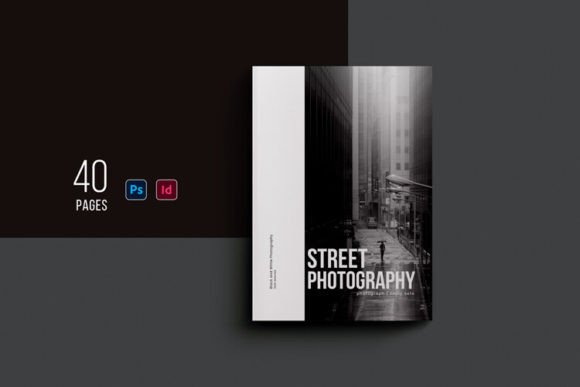
Elevating Your Visual Story: The Power of a Professional Photography Portfolio Template
In the digital age, where attention spans are fleeting and visual competition is fierce, the way you present your work is just as critical as the work itself. For photographers, videographers, and visual storytellers, the portfolio remains the cornerstone of their professional identity. However, assembling a cohesive, high-impact collection from scratch can be a daunting task that diverts energy from what truly matters: creating art. This is where a versatile Photography Portfolio Template becomes an indispensable asset. It is not merely a pre-made layout; it is a strategic tool designed to streamline your workflow, enhance your brand consistency, and ensure your images command the attention they deserve.
The Evolution of the Creative Portfolio
The landscape of creative presentation has shifted dramatically over the last decade. While online galleries and social media feeds dominate daily interactions, there remains a profound demand for tangible, curated experiences. A well-crafted physical or PDF portfolio conveys a level of professionalism and intentionality that scrolling through a website often cannot match. Clients and art directors appreciate the tactile experience of flipping through pages, examining details without the distraction of pop-up ads or broken links.
This resurgence in print and structured digital documents aligns with broader industry trends favoring quality over quantity. In a market saturated with content, curation is king. A Photography Portfolio Photo Album Photobook Template allows creators to curate their best work into a narrative flow, guiding the viewer through a specific aesthetic journey. Whether you are a wedding photographer pitching to a luxury venue, a product shooter presenting to a retail brand, or a fine artist seeking gallery representation, the structure of your presentation speaks volumes about your attention to detail.
Bridging the Gap Between Design and Photography
Many talented photographers lack formal training in graphic design. The learning curve associated with mastering complex layout software like Adobe InDesign or Photoshop can be steep, leading to hours spent on alignment, typography, and color theory rather than shooting. A high-quality template bridges this gap. By providing a robust framework, it democratizes professional design, allowing photographers to focus on image selection and storytelling while the template handles the structural integrity.
These templates are engineered with flexibility in mind. They are built to accommodate various workflows, ensuring that whether you prefer the precision of vector-based layouts or the pixel-perfect control of raster editing, you have the tools to succeed. The ability to customize every element—from global color schemes to individual text blocks—means that the final output feels bespoke, even though it started from a foundational design.
Why Professionals Are Choosing Structured Templates
The decision to utilize a template is often driven by the need for efficiency without compromising quality. Time is a currency that freelancers and entrepreneurs cannot afford to waste. When a client requests a proposal or a portfolio review, speed of delivery can be the difference between securing a contract and losing momentum. With a ready-to-use system, the process shifts from "building from zero" to "customizing for impact."
Furthermore, consistency is key to building a recognizable brand. A template ensures that every page adheres to a unified visual language. Margins, font hierarchies, and spacing are pre-calculated to create a clean, unique layout that avoids common amateur mistakes like cluttered pages or inconsistent alignment. This uniformity projects confidence and reliability, traits that are highly valued by corporate clients and discerning consumers alike.
- Streamlined Workflow: Reduce hours of manual setup to minutes of customization.
- Brand Consistency: Maintain a cohesive look across all pages and materials.
- Professional Polish: Achieve a designer-level finish without the design degree.
- Versatility: Adapt the same core design for print, email attachments, and web viewing.
Adapting to Modern Business Needs
Modern business expectations have evolved. Clients no longer just want to see photos; they want to understand the value proposition behind them. A multipurpose portfolio template serves this need by offering space not just for images, but for context. You can easily integrate sections for services, pricing, testimonials, and contact information alongside your visual work. This transforms the document from a simple gallery into a comprehensive marketing tool.
The versatility extends to the format as well. Today's professionals operate in hybrid environments. You might need a high-resolution PDF to attach to an email pitch, a printed copy for a face-to-face meeting, and a digital version for a tablet presentation. A well-structured template supports all these scenarios seamlessly. The ability to switch between paper sizes, such as A4 and US Letter, ensures that your materials are perfectly formatted regardless of your geographic location or the client's regional standards.
Technical Flexibility and Ease of Use
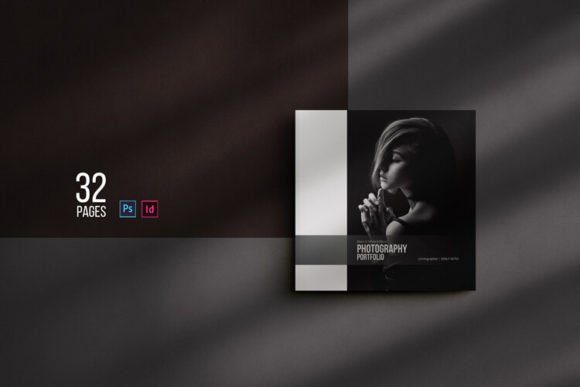
One of the most significant advantages of using a dedicated template is the technical freedom it offers within the Adobe ecosystem. Designed for both Adobe Photoshop and Adobe InDesign, these resources cater to different working styles. For those who rely on Smart Objects in Photoshop, swapping images is as simple as double-clicking a layer and dropping in your new photo. The template automatically adjusts the resolution and cropping, preserving the layout's integrity.
For users who prefer the typographic power and master page capabilities of InDesign, the template provides a structured environment where text flows logically and page numbers update automatically. The separation of layers—images, text, and backgrounds—ensures that editing one element never inadvertently affects another. This modular approach is crucial for maintaining a clean file structure, especially when collaborating with other team members or handing off files for printing.
Customization Without Compromise
A common misconception about templates is that they limit creativity. In reality, a good template liberates it. By handling the heavy lifting of layout mechanics, it frees you to experiment with content. All colors are centralized, meaning you can change the entire mood of the portfolio by adjusting a single global setting. If your brand uses a specific palette, you can implement it instantly across all 40 pages.
Typography is another area where flexibility shines. These templates typically utilize free fonts, removing licensing barriers and cost concerns. Download links are provided directly, ensuring that the text renders correctly on any machine. Whether you prefer modern sans-serifs for a sleek, contemporary look or classic serifs for a timeless feel, the text is fully editable to match your voice.
- Smart Object Integration: Effortlessly replace placeholder images with your own high-res shots in Photoshop.
- Global Color Control: Update your brand colors in one location to reflect across the entire document.
- Layer Organization: Keep images, text, and backgrounds on separate layers for non-destructive editing.
- Multi-Format Support: Compatible with CS versions (CS3 through CS6) and modern CC versions (CC 2019 and later).
From Concept to Final Output
The journey from a blank screen to a finished portfolio is significantly shortened with the right tools. Imagine receiving a request for a portfolio at 5 PM on a Friday. Instead of spending the weekend designing a layout, you open your template, drop in your latest campaign images, tweak the captions, and export a polished PDF by dinner time. This responsiveness is a competitive advantage that can win you jobs before your competitors even begin their design phase.
Moreover, the inclusion of 40 pages provides ample room to showcase a diverse range of work. You are not forced to cram too many images onto a single page, nor do you run out of space for your best pieces. Each image gets the breathing room it needs to be appreciated. This spacious, clean layout prevents visual fatigue and keeps the viewer engaged throughout the entire document.
Future-Proofing Your Creative Business
As technology advances, the ways we share our work will continue to evolve. However, the fundamental need for clear, compelling visual communication remains constant. Investing in a robust, editable portfolio system future-proofs your business. It adapts to new trends, new software updates, and new client expectations. Whether you are expanding into video stills, product photography, or editorial work, the underlying structure remains relevant.
Ultimately, a Photography Portfolio Template is more than a file; it is a partner in your creative success. It respects your time, honors your art, and presents your vision with the clarity and professionalism it deserves. In a world where everyone has a camera, those who know how to present their story effectively will always stand out. By leveraging these tools, you ensure that your work is seen, understood, and remembered.
Whether you choose to print a stunning photobook for a high-end client meeting or send a crisp, professional PDF via email, the result is the same: a powerful statement of your expertise. Just drop in your own pictures and texts, and let your work speak for itself, backed by a design that demands attention.